
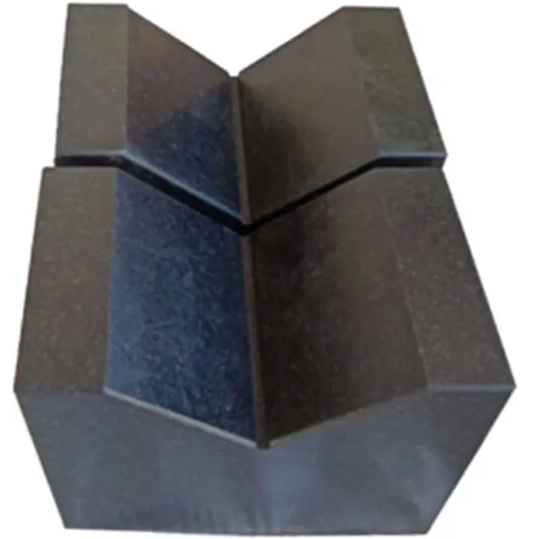
mirror panels cut to size
Understanding the 3% to 4% Check Valve An Overview Check valves play a critical role in various piping systems, ensuring one-way flow and preventing backflow that could compromise system integrity and efficiency. Among the myriad types of check valves available, the 3% to 4% check valve stands out due to its specific operational characteristics and applications. In this article, we will explore what a 3% to 4% check valve is, its uses, benefits, and factors to consider when selecting one for your system. What is a Check Valve? A check valve, also known as a non-return valve or one-way valve, is designed to allow fluid to flow through it in only one direction. The basic function of a check valve is to prevent backflow that could lead to contamination, damage, or inefficiencies within a system. They are commonly used in various industries, including water and wastewater management, oil and gas, and HVAC systems. The 3% to 4% Check Valve Specification The term “3% to 4% check valve” typically refers to a specific range of pressure drop, backpressure, or operational efficiency that these valves can maintain. A pressure drop of 3% to 4% indicates the resistance the valve imposes on the fluid when operational. In practical terms, this means that the check valve is designed to allow a specific volume of fluid to flow while maintaining minimal resistance, thus enhancing overall system efficiency. Applications 1. Water and Wastewater Treatment In systems where backflow can lead to contamination, the 3% to 4% check valve ensures that wastewater and treated water flow in the correct direction. This is crucial for maintaining water quality standards. 2. Oil and Gas In the oil and gas industry, these check valves protect pipelines and equipment from backpressure resulting from pressure changes. Preventing backflow is essential for both safety and efficiency. 3. HVAC Systems In heating, ventilation, and air conditioning systems, these valves are used to ensure that the flow of liquid refrigerants moves efficiently in the intended direction, preventing reverse flow that could lead to system damage. 3 4 check valve 4. Pump Systems Check valves in pump applications prevent the liquid from flowing back into the pump when it is turned off, ensuring that the system maintains pressure and reduces the wear on the pump itself. Benefits - Prevention of Backflow The primary function of the check valve is to prevent backflow, which can cause a variety of issues, including system contamination and equipment damage. - Efficiency With a pressure drop of only 3% to 4%, these valves allow for efficient fluid flow, minimizing energy loss and improving overall system performance. - Versatility The 3% to 4% check valve can be used in various applications across multiple industries, making it a versatile option for engineers. - Durability Made from sturdy materials, these valves can withstand significant pressure and are often designed for longevity, making them a reliable choice for demanding applications. Considerations for Selection When selecting a 3% to 4% check valve for your system, it is crucial to consider factors such as the type of fluid being transported, the pressure and temperature conditions, and the installation environment. Additionally, ensure compatibility with system requirements, including size, material, and the specific flow rate needed. Conclusion In summary, the 3% to 4% check valve is an essential component in various fluid handling systems, offering the benefits of backflow prevention and efficient flow management. With applications spanning multiple industries, understanding the operational characteristics of these check valves is key to ensuring smooth and safe operations. Whether in water treatment, oil and gas, HVAC, or pump systems, the 3% to 4% check valve remains a reliable choice for engineers and facility managers alike.
about
mirror panels cut to size
The Indispensable Role of Plastic Spacers in Construction Industry In the dynamic world of construction, precision and accuracy are paramount. One innovative tool that has significantly contributed to achieving these standards is the plastic spacer. These seemingly small components play a colossal role in ensuring structural integrity and efficiency on construction sites. Plastic spacers, as the name suggests, are made from durable and resilient plastics, typically high-density polyethylene (HDPE) or polypropylene. They are designed to maintain a consistent and precise distance between construction materials, particularly in masonry work, concrete pouring, and steel reinforcement. Their usage reduces errors, enhances speed, and improves overall quality of the construction process. The benefits of using plastic spacers extend far beyond their basic function. Firstly, they offer a high level of resistance to weathering, chemicals, and corrosion, making them ideal for outdoor applications. Unlike their metal counterparts, they do not rust, ensuring a longer lifespan and reduced maintenance costs. Moreover, their lightweight nature simplifies handling and placement, reducing physical strain on workers and increasing productivity. They can also be easily customized to suit various project specifications, accommodating different sizes and shapes of bricks, blocks, or rebars. Plastic spacers also contribute to safety on construction sites. Their non-conductive properties eliminate the risk of electrical accidents, providing a safer working environment Their non-conductive properties eliminate the risk of electrical accidents, providing a safer working environment Their non-conductive properties eliminate the risk of electrical accidents, providing a safer working environment Their non-conductive properties eliminate the risk of electrical accidents, providing a safer working environment plastic spacers for construction . Additionally, they reduce the likelihood of injuries caused by sharp edges commonly found in metal spacers. In terms of sustainability, plastic spacers are a commendable choice. They are recyclable, minimizing waste and environmental impact. Furthermore, their durability ensures they can be reused in multiple projects, further enhancing their eco-friendliness. Despite their simplicity, plastic spacers have revolutionized construction practices. They have transformed the way structures are built, promoting accuracy, efficiency, and safety. As the industry continues to evolve, it is likely that the role of plastic spacers will only grow more significant, solidifying their position as an indispensable tool in modern construction. In conclusion, the use of plastic spacers in construction is not just a matter of convenience but a strategic move towards precision, safety, and sustainability. Their impact on the industry is profound, and their continued adoption is a testament to their effectiveness. Whether it's a towering skyscraper or a humble residential building, plastic spacers silently yet significantly contribute to the robustness and longevity of our built environment.
-

High quality industrial productsagement

High quality industrial products
View Details -

Meet the diverse needs of customers

Meet the diverse needs of customers
View Details -

Strict quality control

Strict quality control
View Details -

Top raw materials

Top raw materials
View Details -

Trusted supplier

Trusted supplier
View Details
Our application

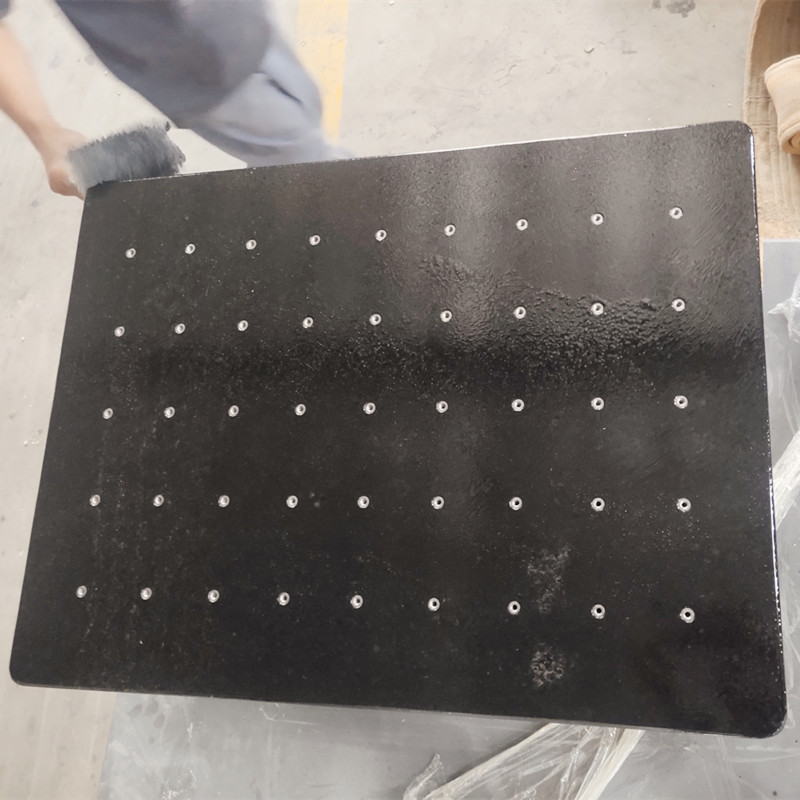


news and information
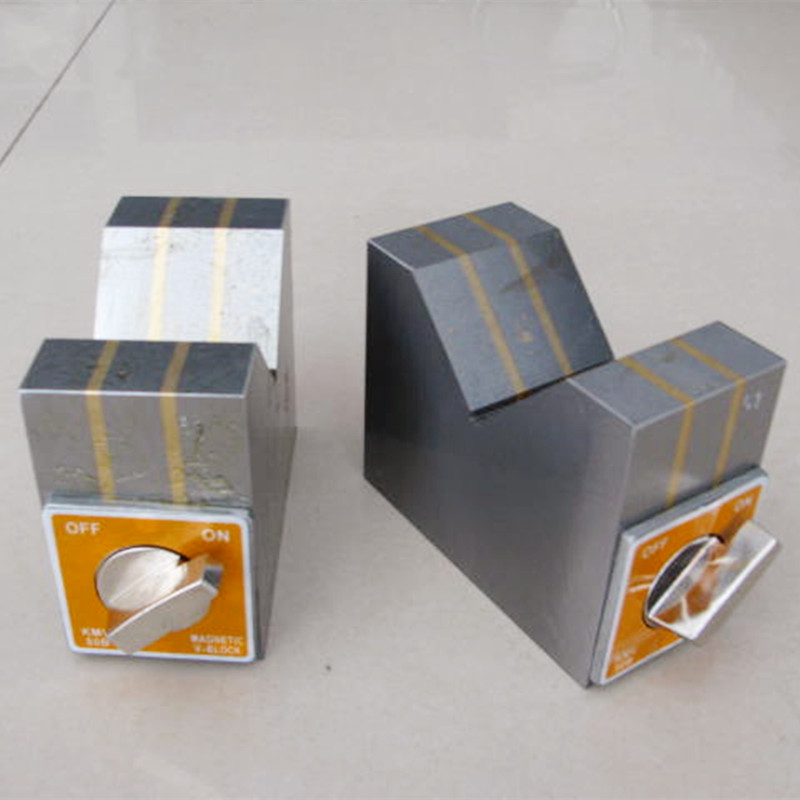
v بلوک
موضوع V-Block در دنیای پیچیده و پیشرفته فناوری اطلاعات، مفهوم V-Block به عنوان یکی از روشهای نوین د
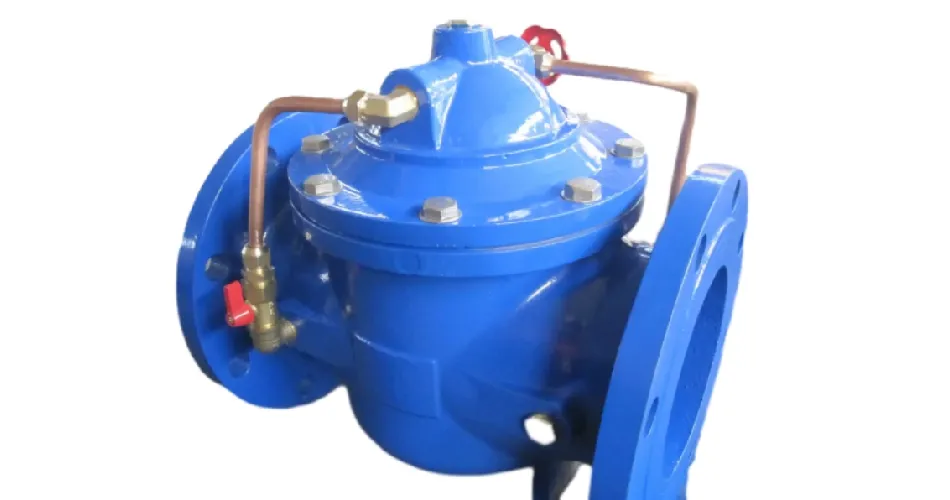
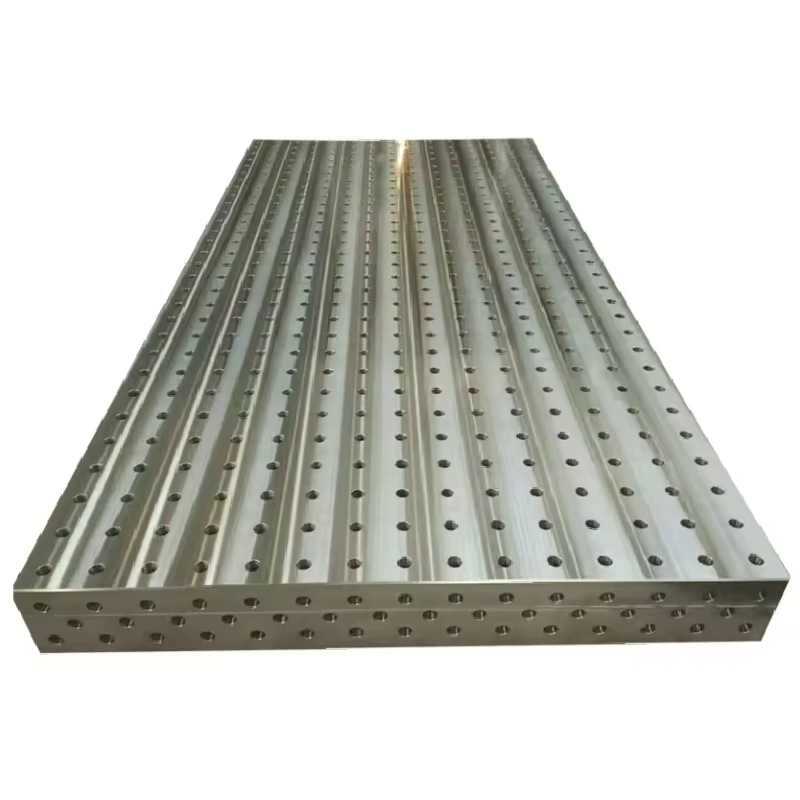
Versatile 3x6 Feet Welding Table for Efficient Metalworking and Fabrication Projects
The Versatility and Advantages of a 3x6 Welding Table Welding is a crucial process in various indust
Water Valve Shutoff Mechanism for Efficient Water Control and Management
Understanding Water Valve Shut Off Importance and Applications A water valve shut off is a critical
 English